Gravel cycling in the winter: 7 practical tips for cold, muddy and dark rides
How to enjoy winter gravel cycling in the UK without freezing or getting stranded in the dark. Practical tips on winter gravel tyres, tubeless prep, layering, photochromic glasses, and why you always need high-lumen bike lights.
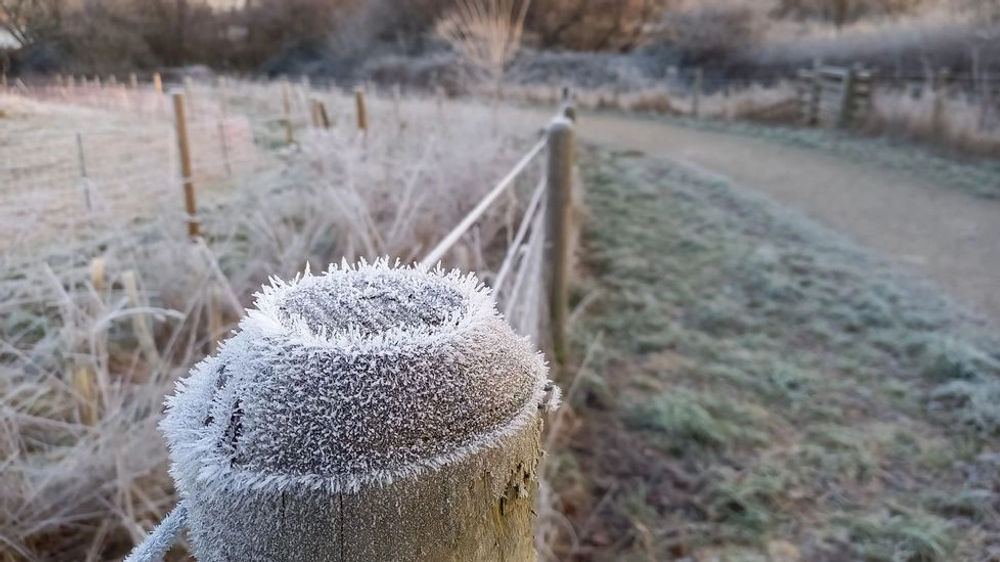
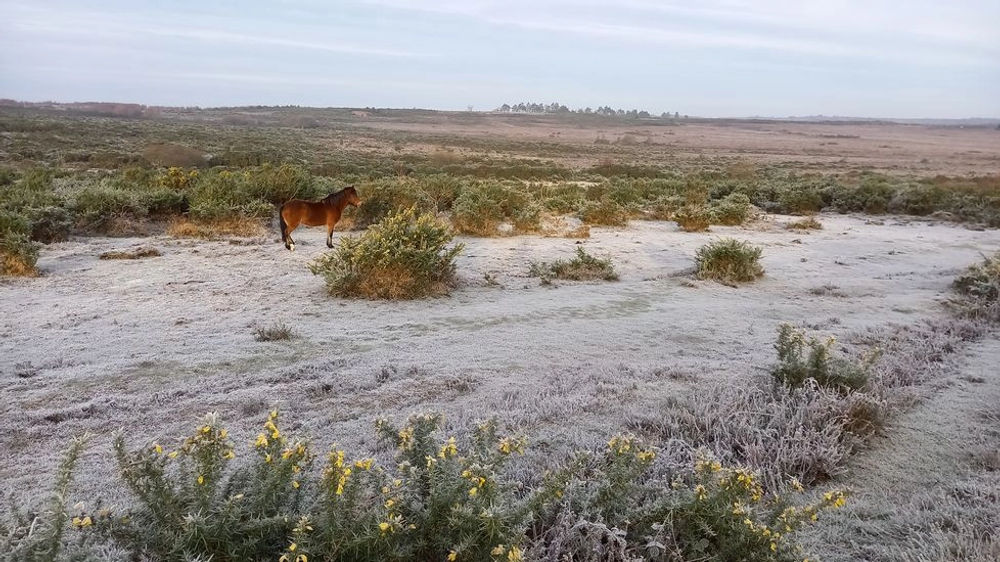
There is something genuinely special about conquering the cold on two wheels. When the ground freezes solid, the crowds disappear from the bridleways, the air turns crisp, and familiar local trails feel completely different.
Winter gravel riding in the UK is also pretty unforgiving if you roll out unprepared. Frozen fingers, surprise mechanicals, blinding low sun, and sunset arriving before 4 pm will turn a fun loop into a miserable slog very quickly. Over the past few winters, I have refined my cold-weather setup through plenty of trial and error. If you want to keep riding gravel through the coldest months of the year, here are my seven essential tips and the gear I actually rely on.
1. Pack hot drinks or brew your own on the trail
First, make sure you have a hot drink waiting for you. Nothing beats pulling a warm thermos of tea or coffee out of your bag after an hour or two of pedalling in sub-zero temperatures. Planning your route around independent rural coffee shops or village bakeries is always a great move too.
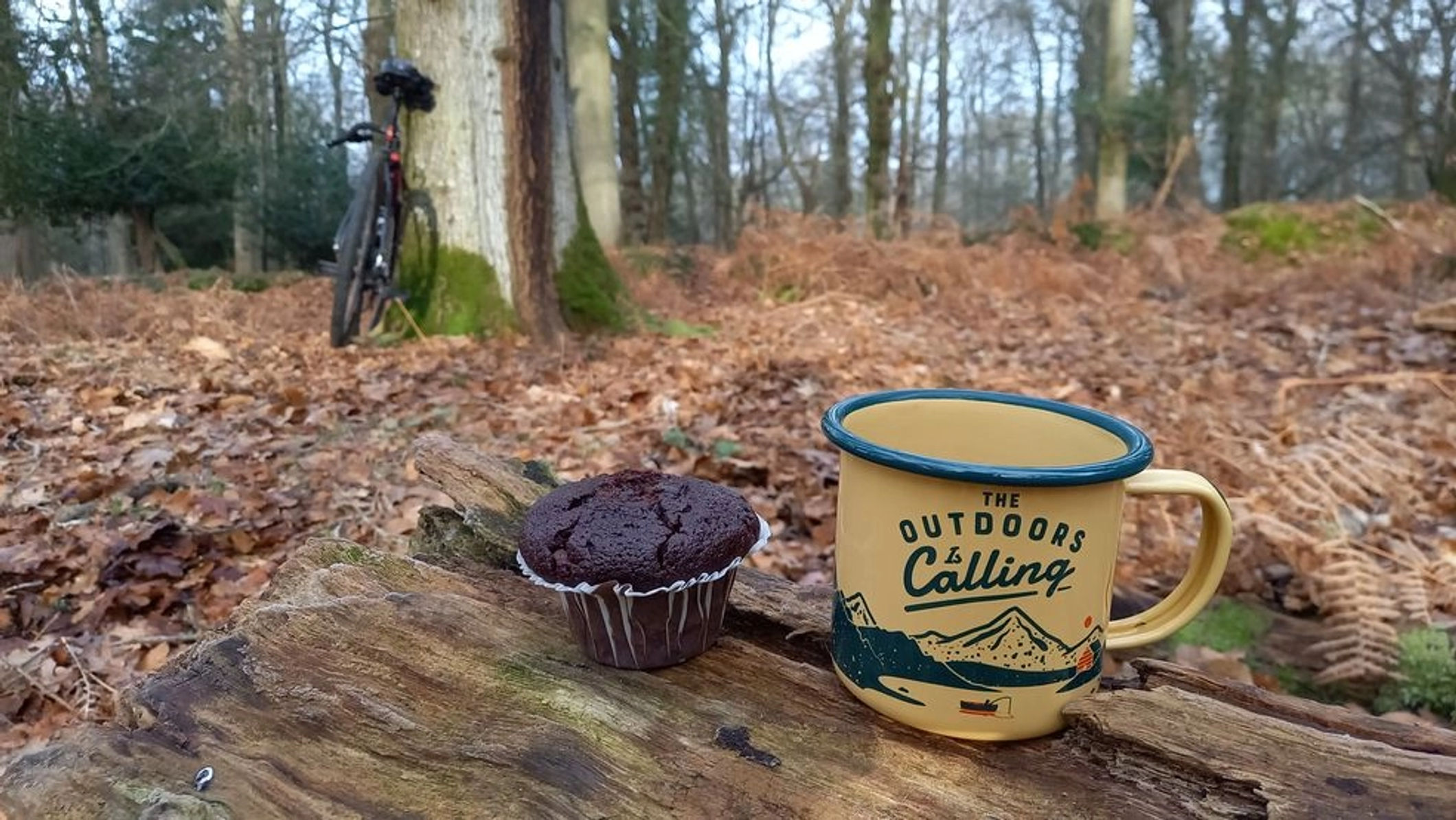
If I am heading out into remote forestry blocks with no cafes in sight, I sometimes pack my tiny BRS-3000T ultralight titanium gas stove and a small titanium mug. It weighs just 25 grams, takes up almost zero space in a frame bag, and boiling fresh water for a hot coffee in the middle of the woods is an unbeatable winter morale booster.
2. Check your tyres and tubeless sealant before you roll out
Before you leave the house, give your tyres a proper inspection. Fixing a puncture when it is close to freezing is ten times harder than in July. Anyone who has tried wrestling a stiff, cold tyre bead back onto a wheel rim with numb fingers knows exactly how frustrating that gets.
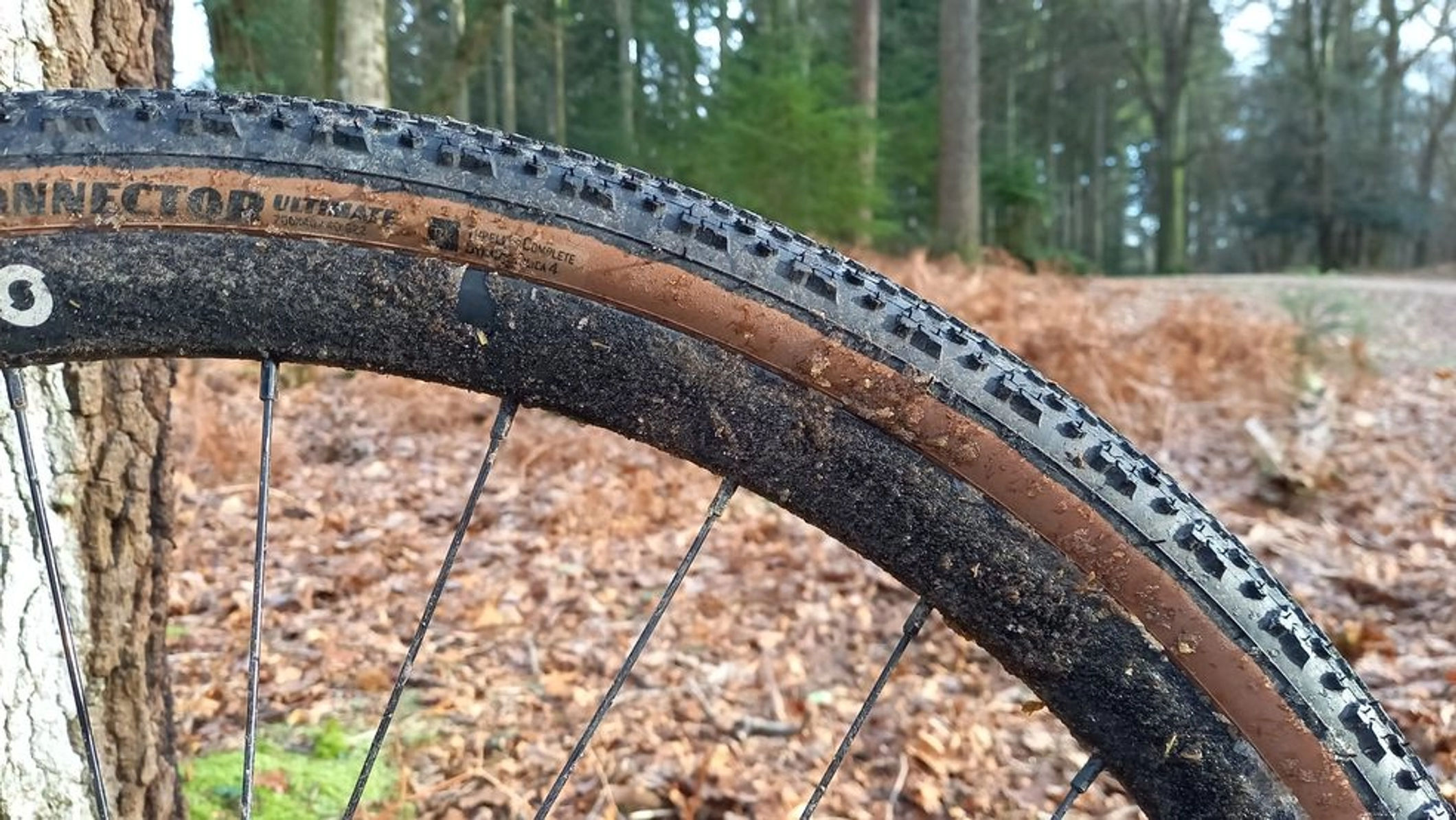
Make sure your tubeless sealant is topped up before winter hits, as old dried-out latex will not seal winter flint or hawthorn thorns. You also want proper tread depth. Drifting across frozen puddles or slick clay on worn-out summer slicks is a risky business.
For deep winter conditions, I swap to rubber with real bite:
- Pirelli Cinturato Gravel M: My favourite all-round choice when the trails get proper sloppy. The widely spaced knobs clear mud well and still roll surprisingly fast on connecting tarmac lanes.
- Schwalbe G-One Bite: A brilliant, dependable option if your winter loops mix frosty hardpack, wet forest tracks, and broken country roads.
3. Layer your clothing and protect your extremities
What you wear on a winter ride makes or breaks the day. Skip the single heavy jacket and build a flexible layering system instead. Gravel riding involves constant changes in effort - you will work hard grinding up a steep, loose climb at 10 km/h and then chill rapidly on a fast, windy road descent.
Carry a frame bag or small backpack so you have somewhere to stash a windproof shell or mid-layer as soon as you start heating up. Keeping sweat under control is the secret to staying warm two hours later. I usually layer a thermal base under one of my custom cycling jerseys and a packable wind shell.
Pay special attention to your hands and feet. Good windproof winter gloves are non-negotiable, and if you ride flat pedals in the wet and cold, pair thick merino socks with weather-resistant shoes that block wind chill and puddle spray - both my Five Ten Freerider Pro shoes and my Fizik Ergolace X2 shoes get heavy use throughout the winter months.
4. Wear photochromic glasses for low winter sun and mud spray
Eye protection is easy to overlook in winter, yet it is arguably even more important than in summer. Between November and February, you are constantly dealing with two things: freezing wind that makes your eyes water on descents, and wet grit or mud flung straight up from your front wheel.
The problem with standard dark sunglasses in winter is the light. One minute you are squinting into blinding, low-angle winter sun reflecting off wet tarmac, and five minutes later you are diving under a dark pine canopy or riding home under heavy grey cloud. Swap to dark lenses and you cannot see the ruts in the woods; wear clear lenses and the low sun blinds you.
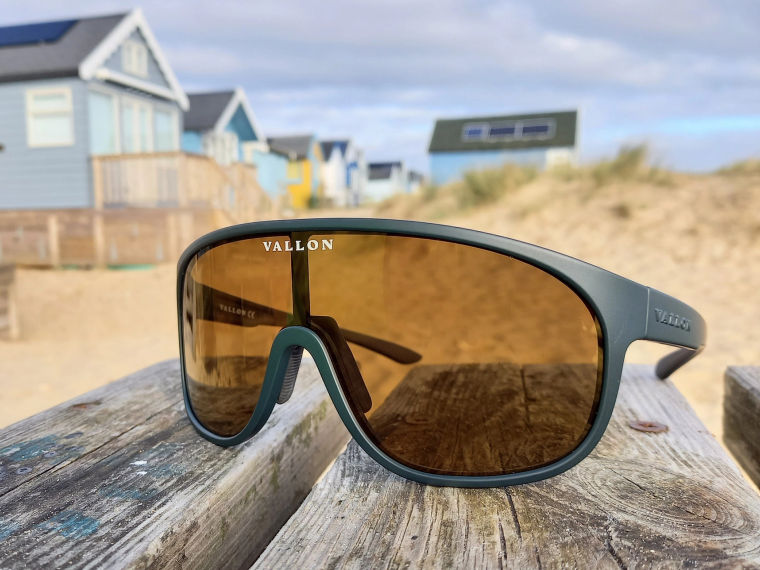
That is why photochromic cycling glasses stay on my helmet all winter. They automatically adjust their tint based on UV levels, going from completely clear in the dark or deep shade to a protective tint when the sun comes out. If you want an affordable pair that reacts quickly and keeps mud out of your eyes without costing a fortune, check out my Lamicall photochromic cycling sunglasses review (you can also grab 5% off via this Lamicall link with code BAB5). If you prefer classic retro styling with premium optics, have a look at my Vallon Watchtowers review too.
5. Always mount proper bike lights - even "just in case"
In mid-winter, daylight is scarce. By 3:30 pm the light is already fading, and if you are riding under tree cover, it gets dark even earlier.
Even if you plan to be back home by 2 pm, never roll out on a winter gravel ride without proper lights mounted to your bike. In winter, heavy mud slows your average speed right down. Add a slow puncture, a frozen gate, a mechanical, or a slightly longer cafe stop than planned, and you can easily find yourself five miles from home in pitch darkness on unlit country lanes.
A tiny emergency blinker is fine for being seen in town, but if you get caught out on unlit gravel tracks after sunset, you need a front light that actually illuminates ruts, potholes, and ice ahead of you, plus an IPX6 waterproof rating that shrugs off rainy weather and puddle spray:
- Front light: I recently upgraded my cockpit to the Ravemen FR1500. It pumps out up to 1500 lumens, mounts cleanly underneath or stacked with my Garmin computer to keep my handlebars uncluttered for bags, and doubles as a 3500mAh USB-C power bank to rescue a dying GPS battery in the cold.
- Rear light: Out back, I pair it with the Ravemen CL200 rear light, which puts out a massive 200 lumens with wide side visibility and a twist-lock saddle rail mount that stays clear of seatpost mud spray. If you want to pick up either light, you can use my discount code BAB10 on the official Ravemen store for 10% off.
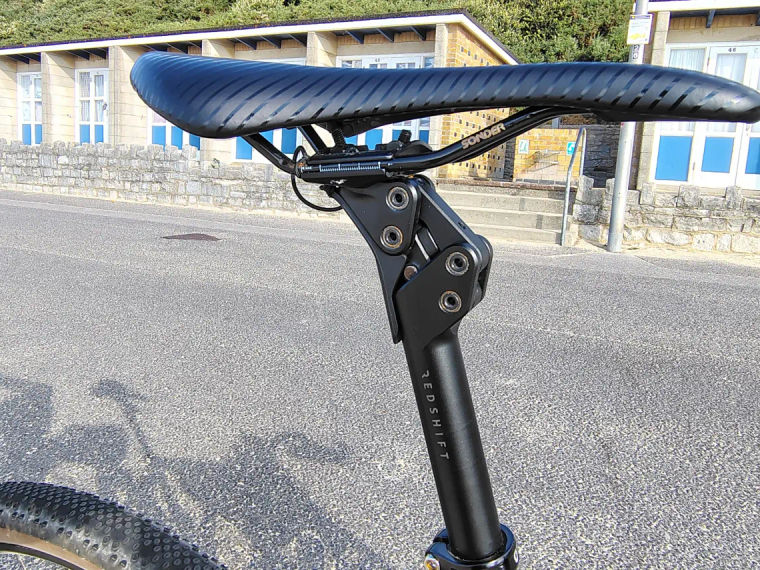
- Pedal visibility: For extra side-on visibility at road crossings, my Redshift Arclight Pro LED pedals are also brilliant during dark winter commutes and dusk gravel loops.
6. Plan bailout options around train stations
Always plan your winter route with a realistic Plan B. Because winter daylight is so short and temperatures drop fast once the sun dips below the horizon, getting stuck 30 kilometres from home with a mechanical or exhaustion is no joke.
When I plot a longer winter gravel loop, I like to trace a route that passes within a few miles of a train line at the halfway mark. Knowing there is a station nearby gives you the freedom to explore without stress - if the weather turns nasty or the trails are far muddier than expected, you can cut the ride short and hop on a warm train home.
7. Pace your effort and wash the winter grime off afterwards
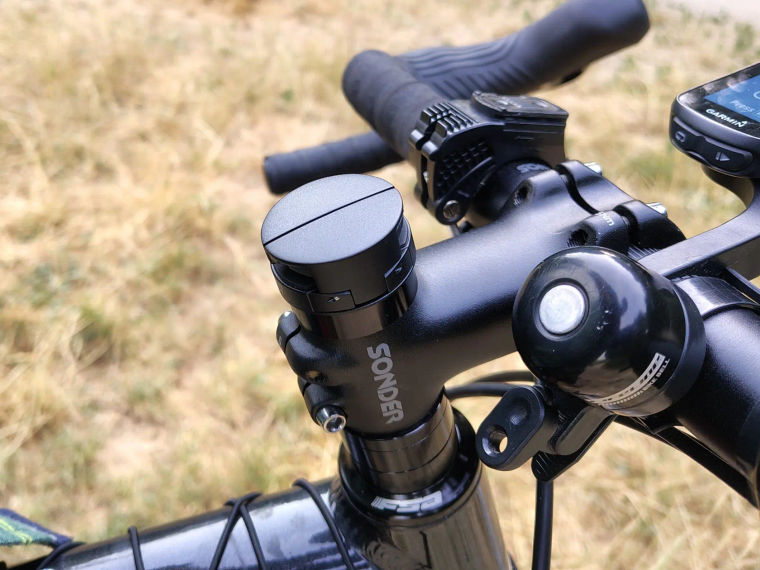
Finally, do not push too hard. Riding in cold weather demands extra energy from your body just to stay warm, and wet gravel carries noticeably higher rolling resistance than dry summer hardpack. Ease off the pace, fuel early and often, and focus on enjoying the quiet trails rather than chasing summer average speeds. If frozen ruts are battering your wrists and shoulders, a Redshift ShockStop suspension stem also takes a huge amount of sting out of rock-hard winter ground.
Once you get back to the door, take five minutes to hose off the road salt and grit before you head inside for a hot shower - a quick spray with Muc-Off Nano Tech bike cleaner stops winter salt from eating through your chain and cassette overnight.
Gravel riding in the winter offers crisp mornings and empty trails you simply do not get in any other season. Prep your bike properly, pack your lights and layers, and get out there. Happy trails!